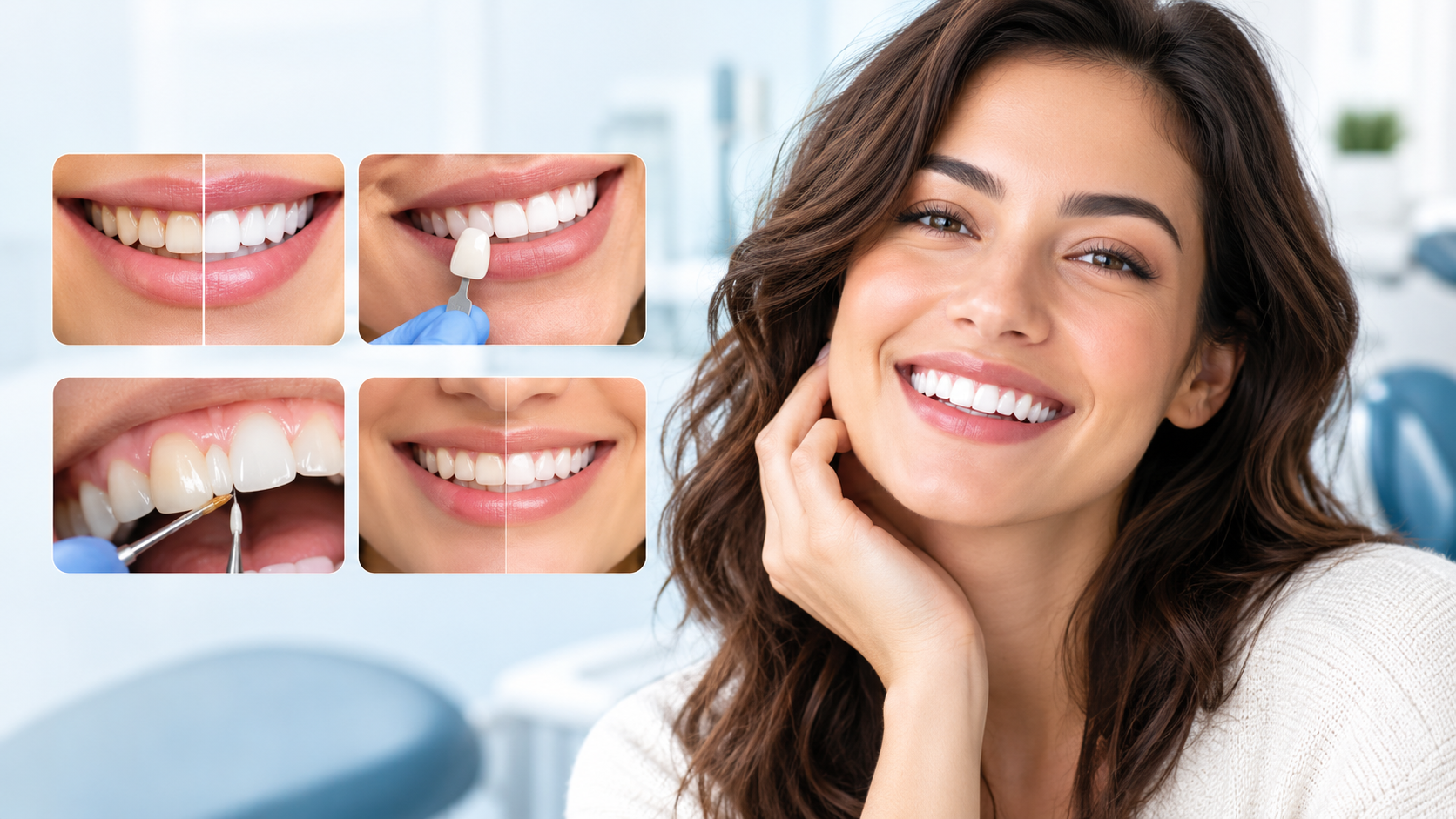
Cosmetic dentistry offers several ways to improve the appearance of your smile, from brightening discolored teeth to repairing chips and changing the shape of uneven teeth. Choosing the right treatment depends on your dental health, cosmetic goals, budget, and the results you want to achieve.
For people exploring cosmetic dentistry in Portland, Oregon, understanding the available treatments can make it easier to have an informed conversation with a dentist. This guide explains four common options: professional teeth whitening, dental veneers, dental bonding, and smile makeovers.
Key Takeaways
Discover how teeth whitening, veneers, and dental bonding can improve the appearance of your smile. Learn about the benefits, costs, and considerations of each treatment to make an informed decision.
Explore North Tabor Dental’s Cosmetic Dentistry Services to learn more about your options.
What Is Cosmetic Dentistry?
Cosmetic dentistry focuses on improving the appearance of teeth and smiles. Treatments may address discoloration, small gaps, chipped edges, uneven tooth shapes, and other aesthetic concerns. Some procedures can also restore damaged tooth structure.
Common cosmetic dental treatments include:
- Professional teeth whitening
- Porcelain dental veneers
- Tooth-colored dental bonding
- Smile makeovers that combine multiple procedures
The best option depends on the condition of your teeth and gums, the cause of the concern, and whether you need cosmetic or restorative treatment.
1. Professional Teeth Whitening
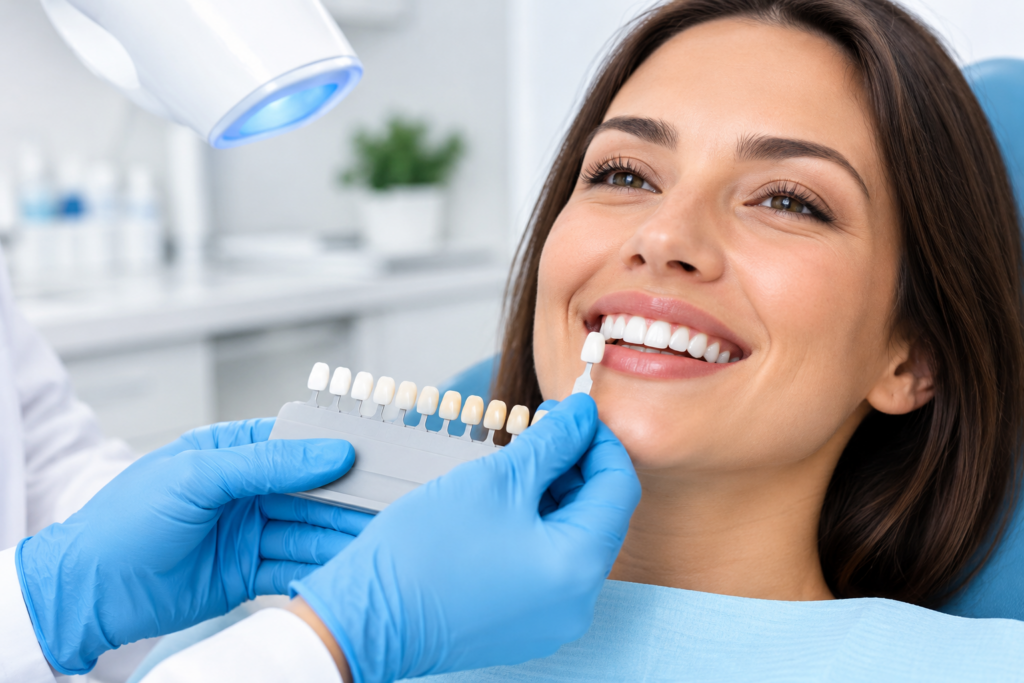
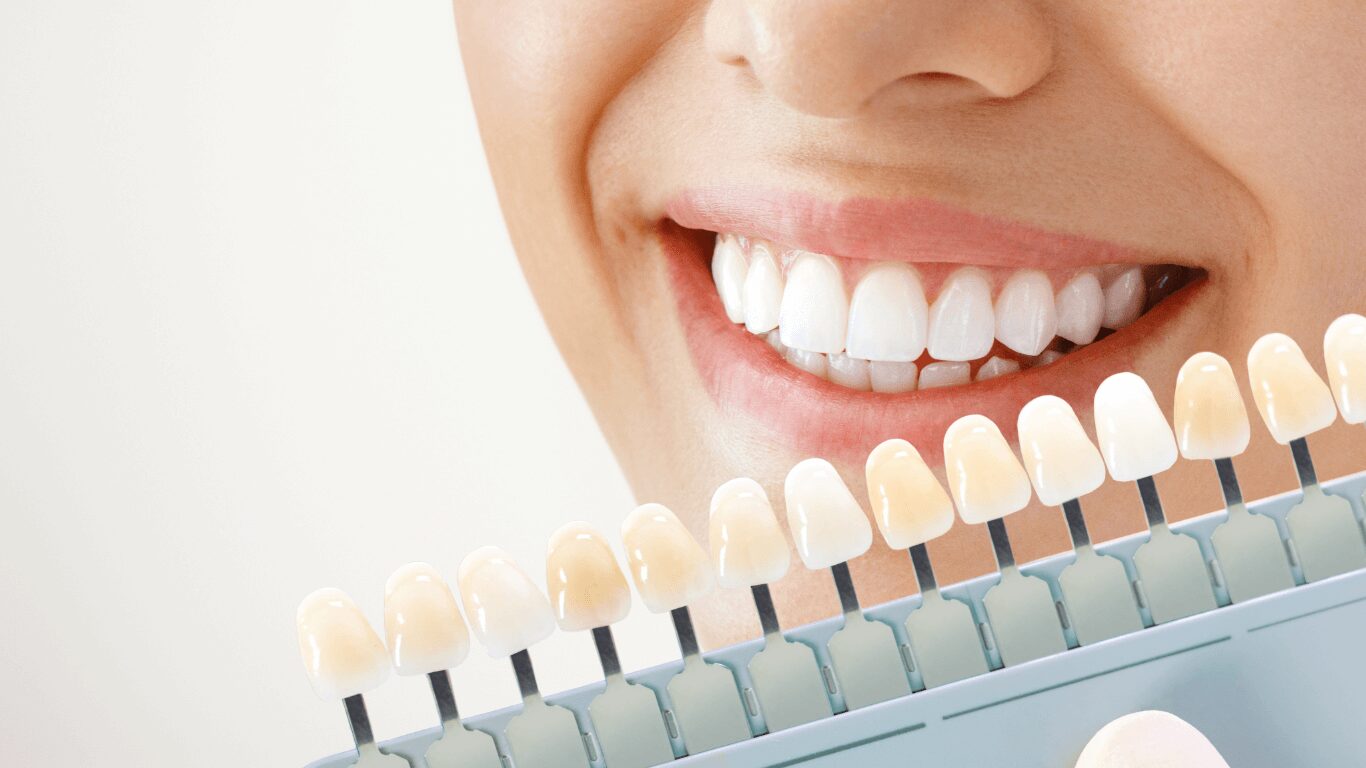
Professional teeth whitening is designed to lighten certain types of tooth discoloration. Teeth can become stained over time due to aging, coffee, tea, tobacco, and other factors.
How Does Professional Teeth Whitening Work?
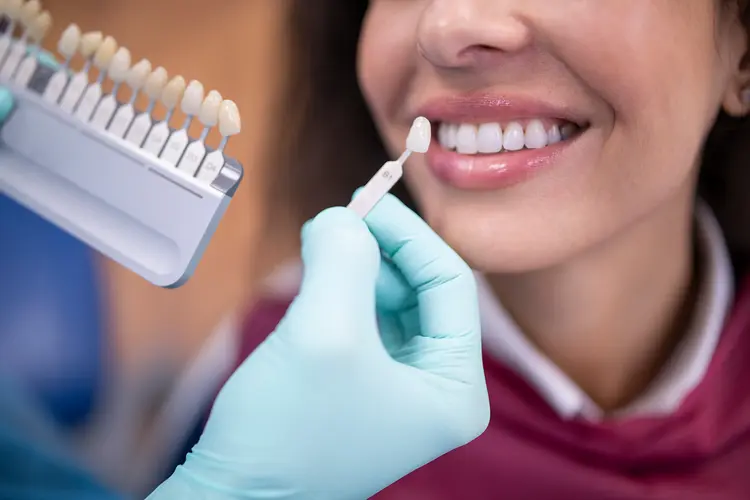
Professional whitening uses bleaching agents to lighten the color of natural teeth. A dentist can assess the type of discoloration and recommend a suitable approach.
Whitening results vary from person to person. Some stains respond better than others, and existing crowns, veneers, fillings, and other restorations generally do not change color with whitening treatments.
Professional Whitening vs. At-Home Whitening
Professional treatments are provided or supervised by dental professionals. At-home products, such as whitening strips and gels, offer another option, but results depend on the product and how it is used.
Possible side effects include temporary tooth sensitivity and gum irritation. People with untreated cavities, gum problems, or existing dental concerns should seek professional advice before starting whitening treatment.
For additional information, read the American Dental Association’s guidance on teeth whitening.
2. Dental Veneers: Benefits and Considerations

Dental veneers are thin coverings placed on the front surfaces of teeth. They may be used to improve the appearance of discolored, chipped, uneven, or irregularly shaped teeth.
What Are the Benefits of Dental Veneers?
Depending on the patient’s needs, veneers may help:
- Improve the appearance of certain types of discoloration
- Change the shape or size of selected teeth
- Create a more uniform appearance across the front teeth
- Address some minor cosmetic imperfections
Porcelain veneers can be designed to resemble natural teeth. However, their suitability depends on factors such as enamel condition, bite, gum health, and the amount of change required.
Are Dental Veneers Permanent?
Traditional veneers often require removing a small amount of enamel. Because enamel does not grow back, this preparation is generally irreversible.
Veneers may chip, wear, or become damaged over time and may eventually require repair or replacement. Good oral hygiene, routine dental visits, and avoiding habits such as biting hard objects can help protect them.
Veneers are not the right choice for every person. A dentist can explain the potential benefits, risks, and alternatives before treatment begins.
3. Dental Bonding for Chipped or Uneven Teeth
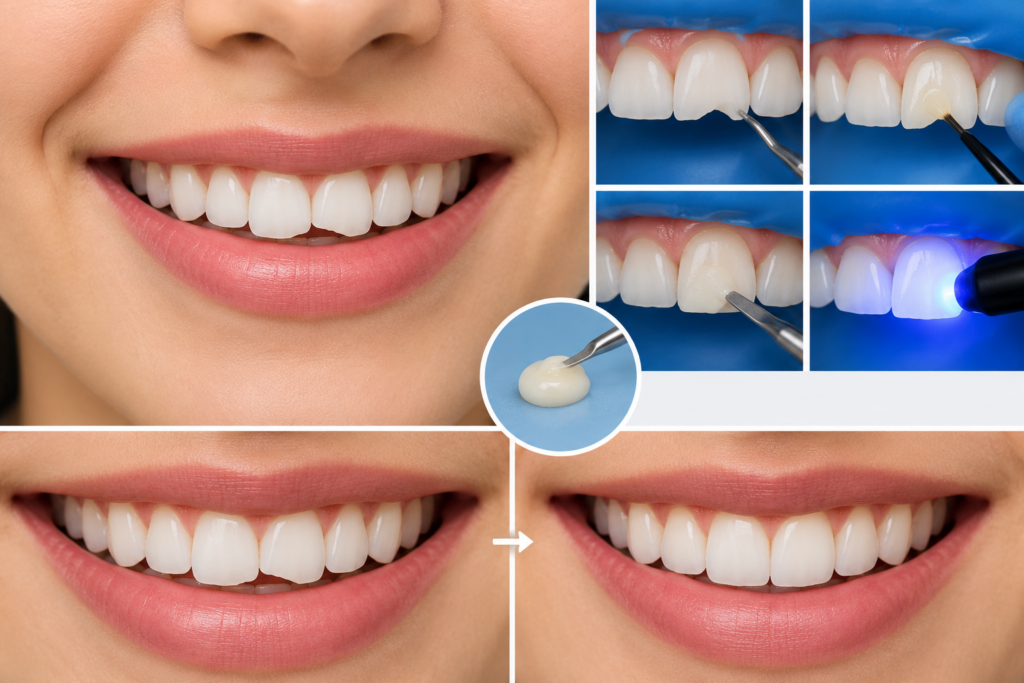
Dental bonding uses tooth-colored composite resin to repair or reshape a tooth. It may be suitable for small chips, minor gaps, worn edges, and selected cosmetic imperfections.
How Does Dental Bonding Work?
During bonding, the dentist prepares the tooth surface, applies composite resin, shapes it, and hardens the material with a special light. The restoration is then polished to create a natural-looking finish.
Many bonding procedures can be completed in one appointment. Depending on the case, bonding may also require less removal of natural tooth structure than traditional veneers.
Dental Bonding vs. Veneers
Both treatments can improve the appearance of teeth, but they serve different needs.
Dental bonding is often suitable for small repairs and minor changes. It may be easier to repair, although the composite resin can stain or chip over time.
Dental veneers may be considered when a more extensive or consistent change in tooth appearance is desired. Traditional veneers usually involve more preparation and may cost more than bonding.
The appropriate treatment depends on the size of the imperfection, the tooth’s condition, the desired result, and your long-term expectations.
4. What Is a Smile Makeover?
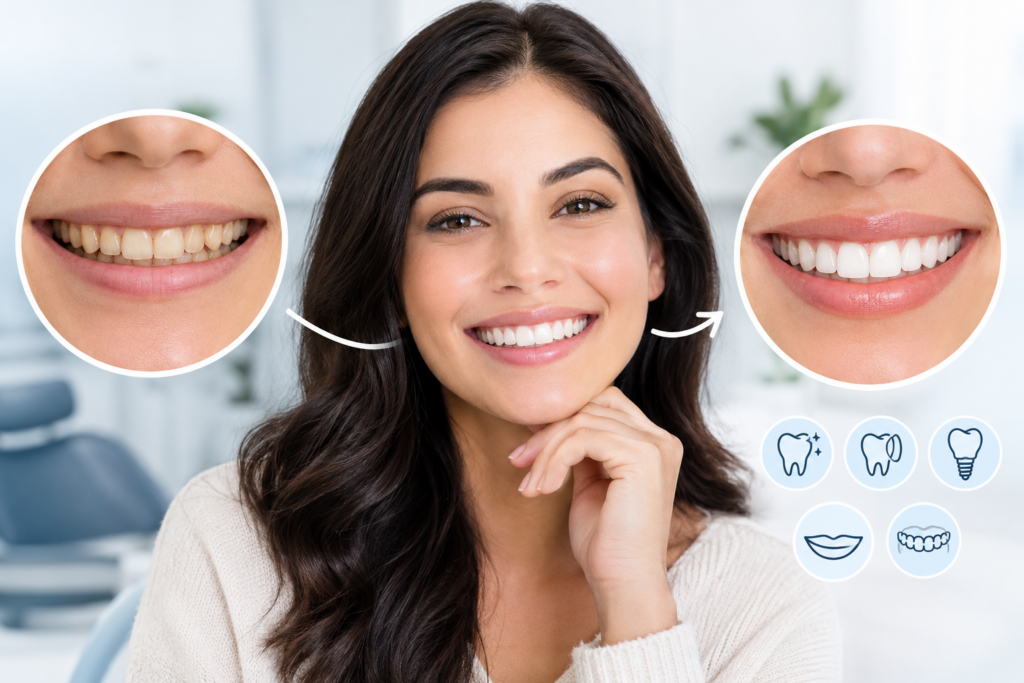
A smile makeover is a personalized treatment plan that combines cosmetic procedures to address multiple concerns. It may involve one treatment or several procedures completed in stages.
For example, someone with stained teeth and a chipped front tooth might discuss whitening and bonding. Someone seeking changes to the shape and appearance of several front teeth might discuss veneers.
Depending on individual needs, a smile makeover may include:
- Professional teeth whitening
- Dental bonding
- Dental veneers
- Orthodontic treatment for alignment concerns
- Restorative treatment for damaged or missing teeth
Before recommending cosmetic treatment, a dentist should evaluate the teeth, gums, bite, and overall oral health. Addressing underlying dental problems first can help support a healthier outcome.
5. How Much Does Cosmetic Dentistry Cost?
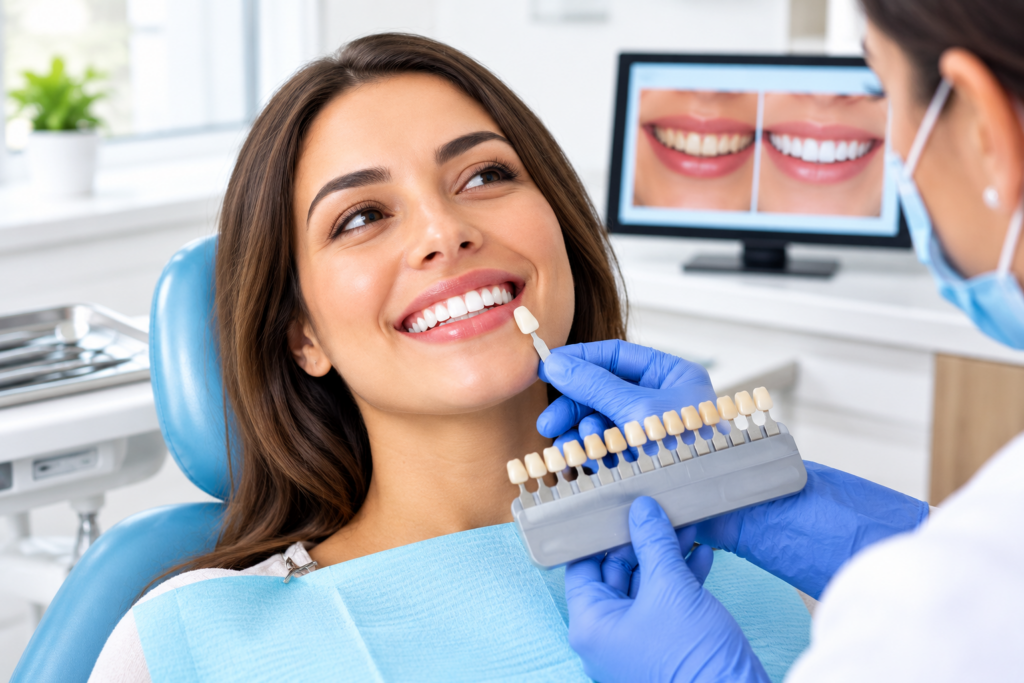
The cost of cosmetic dentistry varies according to the treatment, the number of teeth involved, materials used, case complexity, and the fees charged by the dental practice.
In general, whitening and minor bonding may cost less than multiple veneers or a comprehensive smile makeover. However, costs vary, so an individual estimate is needed before making a decision.
When discussing treatment costs, ask for a written estimate that explains:
- The recommended procedures and fees
- Whether additional dental treatment is necessary
- The expected maintenance or replacement costs
- Available alternatives and their costs
- Whether any portion may qualify for insurance coverage
Treatments performed primarily to improve appearance are often not covered by dental insurance, although coverage depends on the plan and the reason for treatment. Check your benefits and limitations through your insurer and review the practice’s dental insurance information.
6. How to Choose the Right Cosmetic Dental Treatment
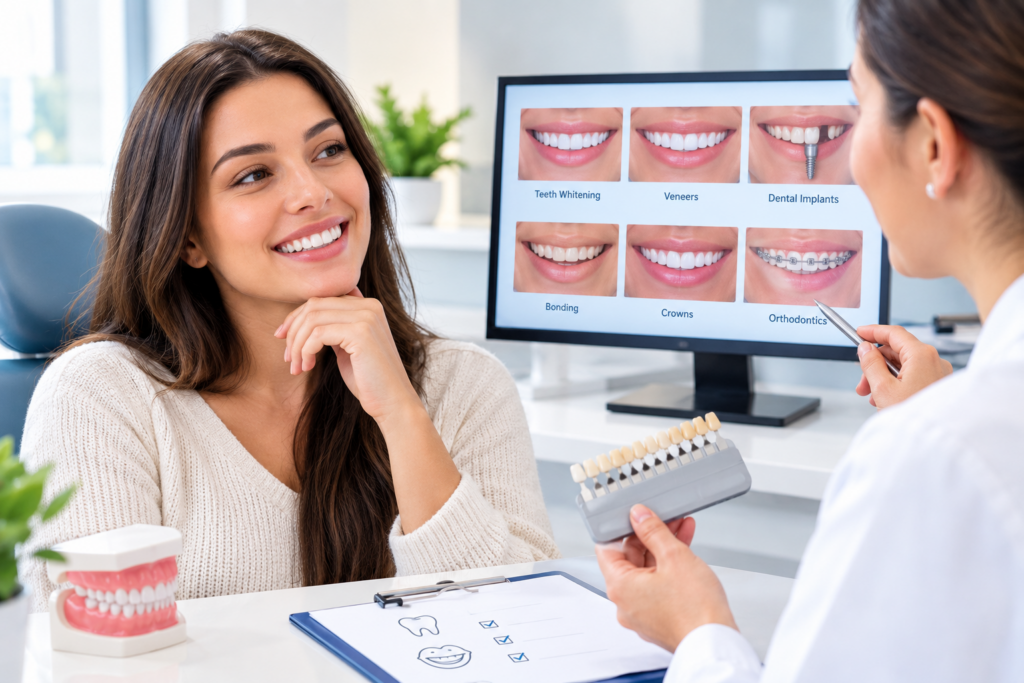
The right treatment should address your concerns while considering your oral health and long-term needs. Before choosing a procedure, consider these questions:
- What is causing the discoloration, chip, gap, or uneven appearance?
- Are my teeth and gums healthy enough for the treatment?
- Are there less invasive alternatives?
- How long are the results expected to last?
- What maintenance will be required?
- What are the risks, limitations, and total costs?
If you are comparing providers, this guide on choosing a cosmetic dentist in Portland can help you identify questions to ask when evaluating your options.
7. Why Oral Health Matters Before Cosmetic Dentistry
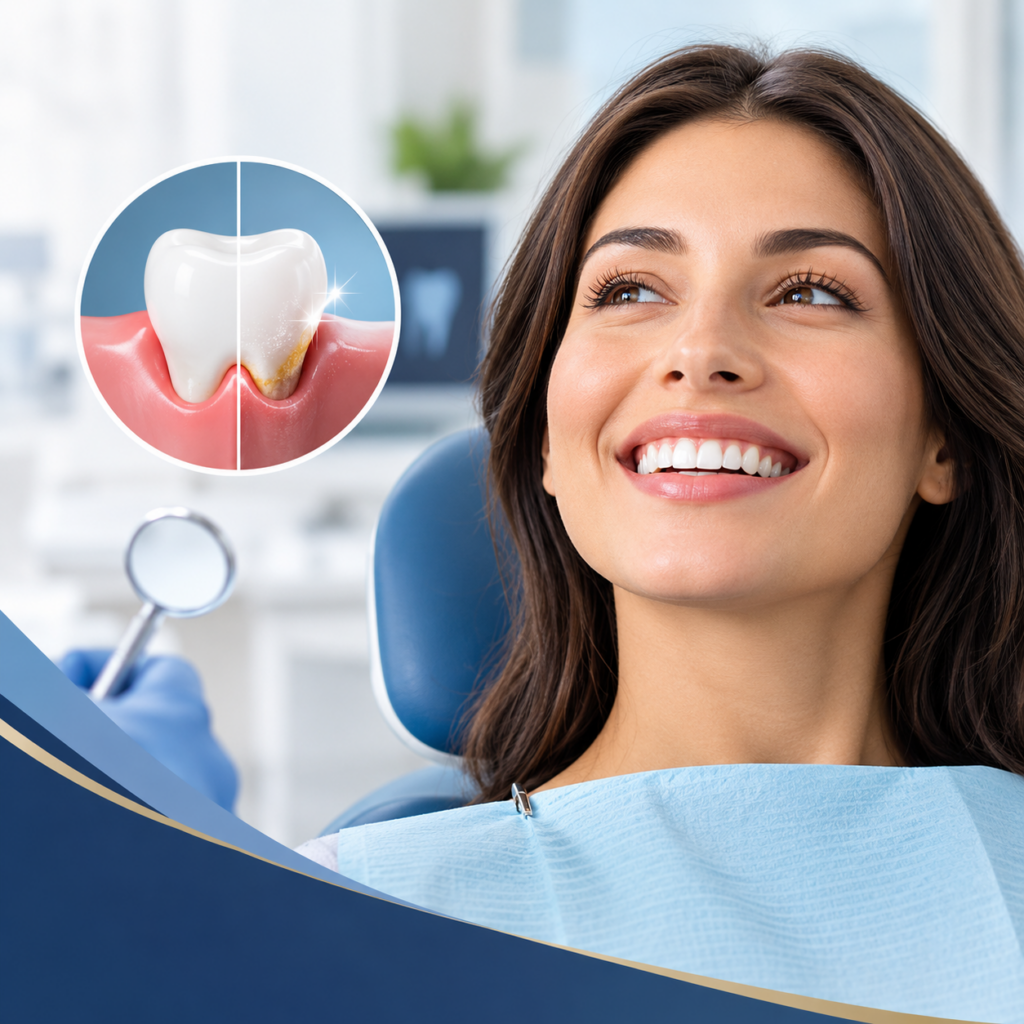
Healthy teeth and gums provide an important foundation for cosmetic dental treatment. Cavities, gum disease, damaged teeth, or bite-related problems may need attention before elective cosmetic procedures.
Routine examinations and preventive care help identify concerns that could affect treatment planning. Depending on your needs, general dentistry services may include examinations, professional cleanings, and treatment for common dental conditions.
For households seeking care for different age groups, family dentistry can help support preventive dental care for adults and children. Younger patients may also need age-appropriate pediatric dental care.
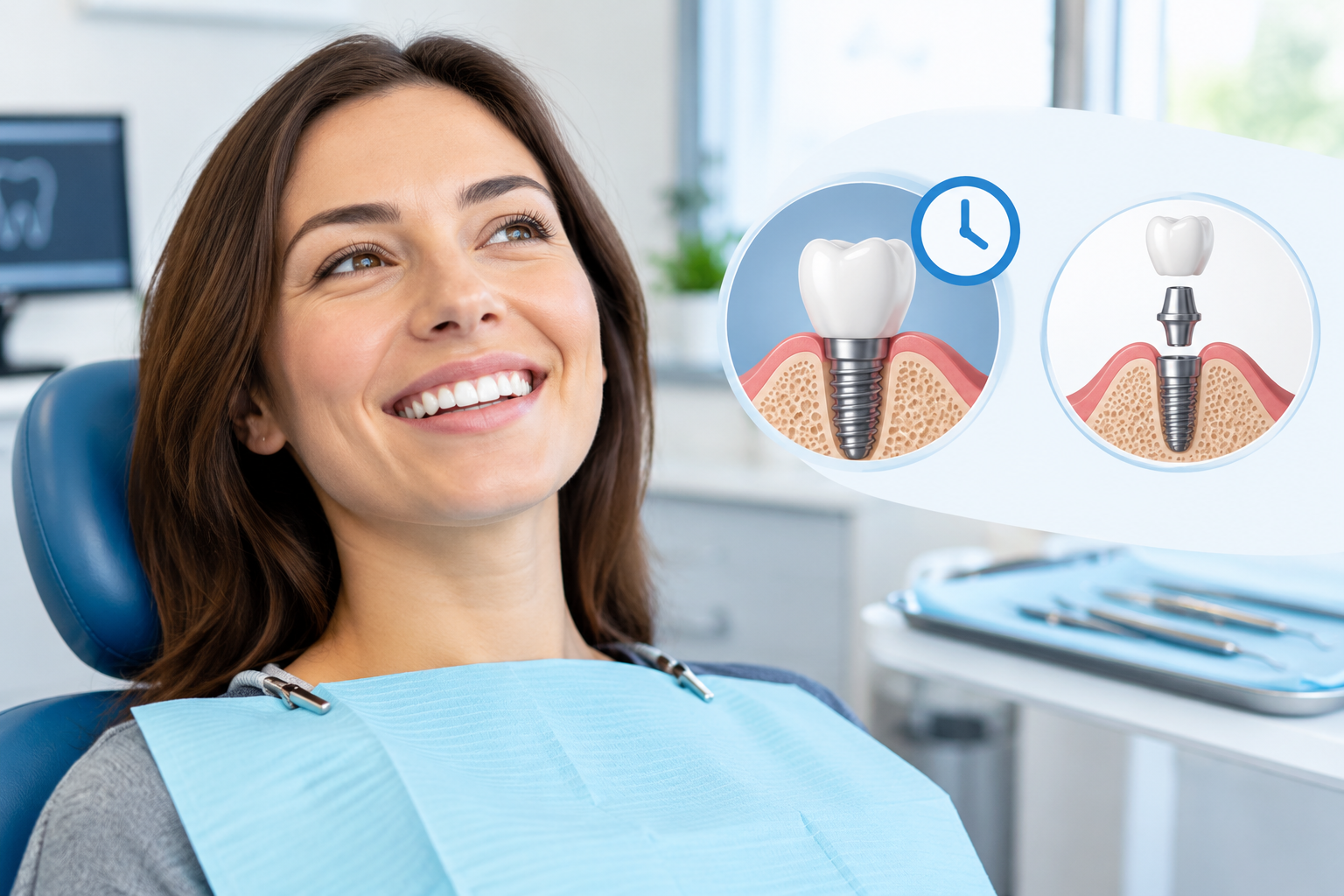
For people with missing teeth, restorative options such as dental implants may be worth discussing with a dentist, depending on their oral health and individual circumstances.
Frequently Asked Questions About Cosmetic Dentistry
Teeth whitening, dental bonding, and veneers are commonly used to address aesthetic concerns. The most suitable option depends on the condition of the teeth and the result a person wants to achieve.
The level of discomfort depends on the procedure and the individual. Some treatments may cause temporary sensitivity, while others may require local anesthesia. Your dentist can explain what to expect before treatment.
Results vary by treatment, oral hygiene, diet, habits, and individual circumstances. Whitening may require touch-ups, bonding may need repair, and veneers may eventually need replacement.
Minor cosmetic irregularities may sometimes be addressed with bonding or veneers. More significant misalignment may require orthodontic treatment. A dental professional can assess which options are appropriate.
Procedures performed solely for aesthetic reasons are often excluded from dental insurance. Coverage varies by plan, and some treatments may be considered differently if they address a functional or restorative need. Confirm benefits with your insurance provider before beginning treatment.
Conclusion
Cosmetic dentistry offers several options for improving the appearance of stained, chipped, uneven, or irregularly shaped teeth. Professional teeth whitening, dental veneers, dental bonding, and smile makeovers each have different benefits, limitations, costs, and maintenance requirements.
The best choice depends on your cosmetic goals, oral health, and long-term expectations. Learning about your options and discussing them with a dental professional can help you make an informed decision.
If you are considering cosmetic dental treatment in Portland, Oregon, you can learn more about North Tabor Dental and its approach to patient care before discussing your needs and treatment options with the practice.