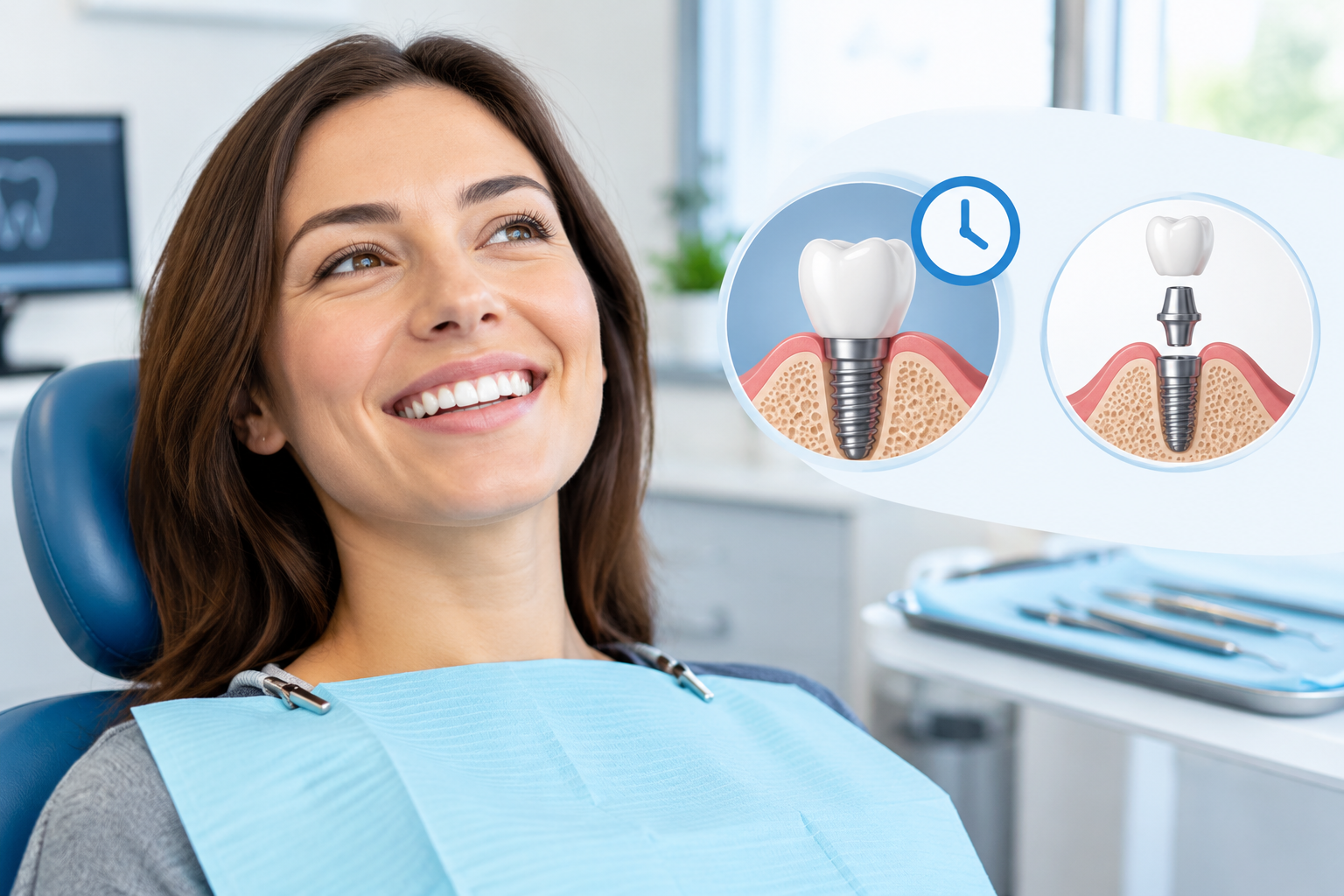

Dental implants have become a very popular way to replace lost teeth and smile again. If you’re considering dental implants treatment, one of your first concerns might be, “How painful are dental implants?”
We will numb the area of your mouth with a local anesthetic for implant surgery. While in the chair, you should not experience any pain, just pressure, movement and vibrations. Mild to moderate discomfort, swelling and tenderness in the days following the surgery are normal as your mouth heals.
Short Summary
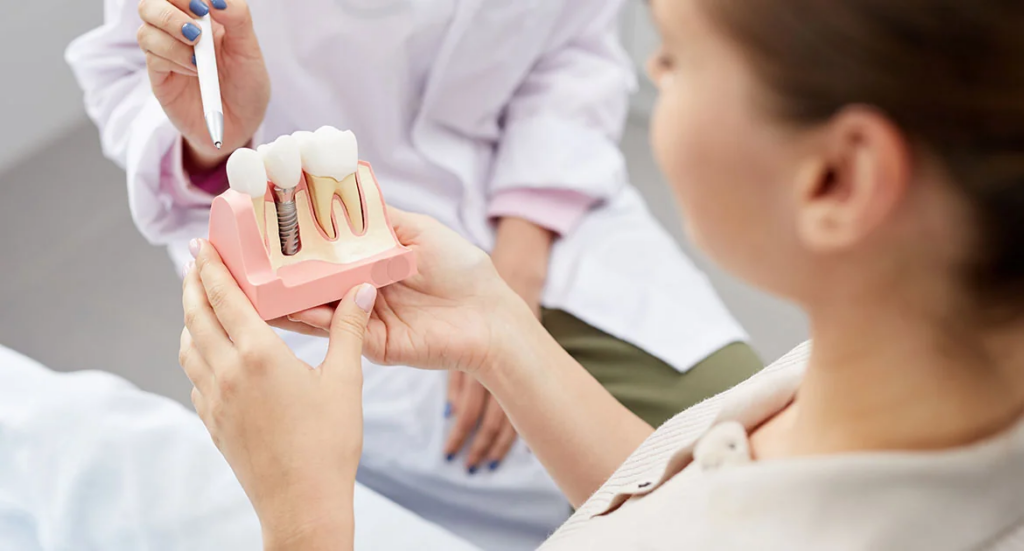
Dental implants are a durable tooth-replacement option that can restore chewing function and improve your smile. The procedure is performed with anesthesia to minimize discomfort, while mild soreness and swelling may occur during recovery. Proper aftercare and regular dental visits support successful healing and long-term results.
Quick Answer: Are Dental Implants Painful?
Most dental implants can be performed under local anesthesia and then allowing a period of treatment for post treatment pain, swelling and discomfort. The benefit of dental implants is that the site being treated is numbed while the prosthetic is being placed into the site and once the anesthetic begins to wear off, you may experience some mild to moderate discomfort, swelling and tenderness. With that being said, pain and discomfort are not considered to be akin to having a tooth pulled and are not that strong, and most patients don’t find the discomfort to be excessive. Our dentist should be able to advise you on what you can expect and the best way to treat the pain and discomfort.
What Does Dental Implant Pain Feel Like?
Dental implant discomfort can vary throughout the treatment process. Understanding the different stages can help you feel more prepared.
1. During the Dental Implants Procedure
Before implant surgery begins, your dentist will administer local anesthesia to numb the gums and surrounding area.
You may feel:
- Pressure as the dentist works.
- Vibration from dental instruments.
- Movement or pulling sensations.
- Mild discomfort from keeping your mouth open.
2. Immediately After Dental Implant Surgery
Once the anesthesia wears off, you may notice soreness around the implant site. This is a normal part of the healing process.
Common sensations include:
- Tender gums.
- Mild throbbing.
- Swelling around the surgical area.
- Sensitivity when chewing.
- Minor bruising in some cases.
3. During Dental Implant Recovery
As the gums heal, the pain should become less intense as you progress through your dental recovery, and should gradually reduce. The implant itself is part of the healing process, during osseointegration, in which your implant is incorporated into your jaw bone, and can take several months to fully heal.
What to Expect During the Dental Implants Procedure?
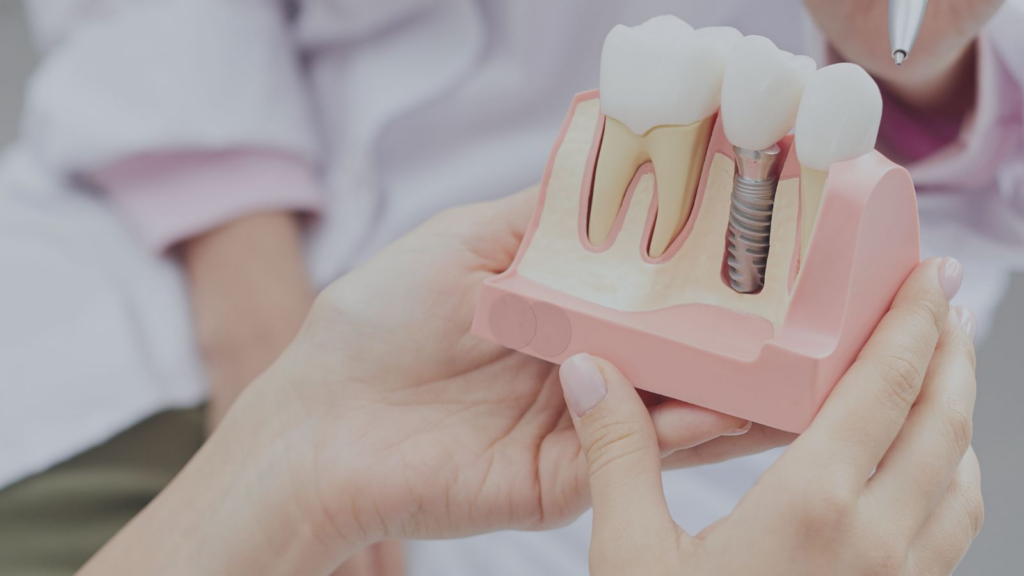
The process of getting dental implants generally takes place in three phases. Your specific treatment will be determined by the state of your jawbones and teeth as well as the kind of tooth replacement that you require.
Step 1: Initial Consultation
Your dentist examines your teeth, gums, and jawbone. Digital X-rays or 3D imaging may be used to evaluate bone volume and plan implant placement.
During your consultation, discuss:
- Your dental and medical history.
- Any anxiety about dental treatment.
- Previous dental procedures.
- Your preferred pain-management options.
- Whether bone grafting or other preparation may be needed.
Step 2: Preparing the Treatment Area
If you have a damaged or missing tooth, your dentist determines whether extraction, bone grafting, or other preparatory treatment is necessary. Not every patient needs a bone graft. The decision depends on the condition of the jawbone and the planned implant.
Step 3: Implant Placement
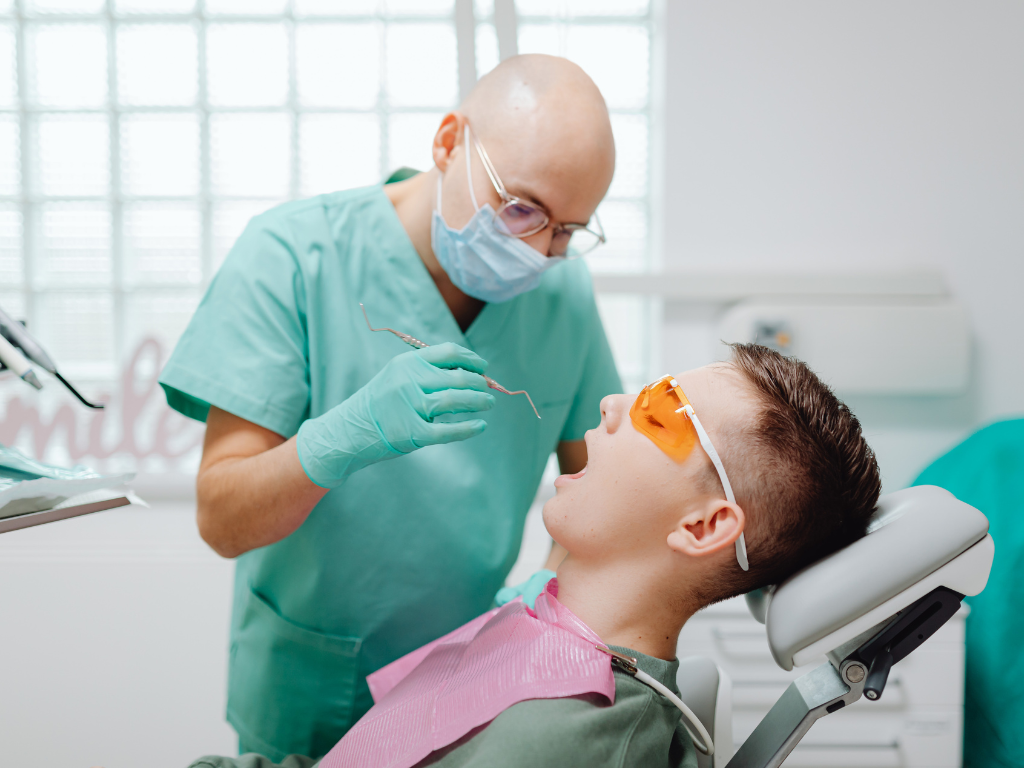
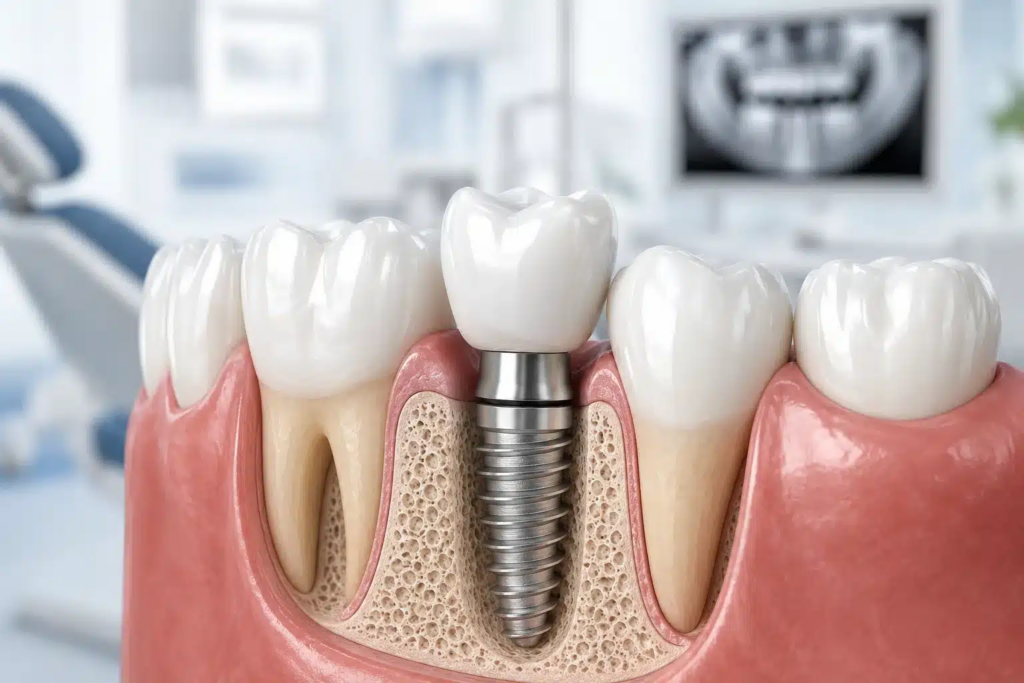
During implant surgery, the dentist places a small titanium or suitable implant fixture into the jawbone. Local anesthesia is used to numb the area.
The procedure may involve pressure and vibration, but sharp pain should be minimized. The duration depends on the number of implants and complexity of the case.
Step 4: Healing and Osseointegration
After implant placement, the jawbone gradually integrates with the implant. This process is called osseointegration.
Healing time varies. Your dentist will assess the implant before moving to the next stage.
Step 5: Abutment and Dental Crown
Once the implant has healed sufficiently, an abutment and custom dental crown may be placed. The crown restores the visible portion of the missing tooth and supports normal function.
What Makes Dental Implant Treatment More or Less Painful?
Several factors can affect your experience during dental implants treatment.
Number of Implants ➖Replacing one missing tooth may involve less surgical work than placing several implants. More extensive treatment can lead to additional soreness or swelling.
Bone Grafting ➖ Some patients need bone grafting before or during implant treatment. This additional implants procedure may increase recovery time and discomfort.
Individual Pain Sensitivity ➖ Everyone experiences dental discomfort differently. Your previous dental experiences, anxiety, and personal sensitivity can influence how treatment feels.
Oral Health ➖ Healthy gums and good oral hygiene support healing. Gum disease or other oral health problems may need to be addressed before implant placement.
Surgical Complexity ➖ The position of the missing tooth, available bone, and treatment plan can influence the complexity of the procedure.
How to Manage Discomfort After Dental Implants?
Following your dentist’s instructions is an important part of dental implant recovery.
1. Use Medication as Directed ➖ Your dentist may recommend pain-relief medication based on your health history and the procedure performed. Take medication only as directed.
2. Apply a Cold Compress ➖ A cold compress on the outside of the cheek may help reduce swelling during the early recovery period. Follow your dentist’s instructions for duration and frequency.
3. Eat Soft Foods ➖ Choose comfortable foods such as:
- Yogurt.
- Mashed potatoes.
- Soft eggs.
- Smooth soups that are not hot.
- Soft pasta.
Avoid chewing directly on the surgical area until your dentist says it is safe.
4. Maintain Oral Hygiene ➖ Keep your mouth clean according to your dentist’s instructions. You may need to modify brushing around the implant site during early healing.
5. Avoid Smoking ➖ Smoking can interfere with healing and may increase the risk of implant complications. Ask your dentist about smoking cessation support.
6. Attend Follow-Up Appointments ➖ Follow-up visits help your dentist assess healing and identify any concerns early.
How Painful Are Dental Implants?
Tooth implant extraction & removal vs root canal treatment While there is some generalization that can be done between the two, it is hard to compare the pain of each for everyone. Dental implants are a restorative dentistry treatment used to replace missing teeth and support crowns, bridges, or implant-supported dentures. North Tabor Dental, a dental clinic serving patients in Portland, Oregon, provides dental implant consultations and treatment for adults looking for long-term tooth replacement options.
Are Dental Implants Worth It Despite the Discomfort?
Replacing teeth with dental implants will enable you to chew and speak normally and smile confidently, and may help to preserve the jaw bone following tooth loss. Not everyone is a good candidate for dental implants and our dentist will assess your overall oral health, the quality of your available bone, as well as your general health and treatment options before recommending implants. The dental implants treatment concept is to replace the functionality of the missing tooth/teeth by preserving their long-term oral health.
Why Choose North Tabor Dental for Dental Implants in Portland?
North Tabor Dental is a dental clinic in Portland, Oregon, providing general, restorative, and cosmetic dental services, including dental implant treatment for adults who need to replace missing teeth.
During a dental implant consultation, ask about:
- Your suitability for dental implants.
- The expected dental implants procedure.
- Pain management and anesthesia.
- Healing and recovery.
- Treatment alternatives.
- The estimated treatment timeline and cost.
A Dentist for Implant Treatment: What to look for The right qualifications, safety, experience, treatment planning, and understanding your needs are everything you should consider when choosing a dentist for implant treatment. When looking for the best dental implants in Portland, the above questions should carry more weight than rankings or marketing. Contact North Tabor Dental to help you weigh your options through a personalized consultation.
Frequently Asked Questions About Pediatric Dentistry
Are dental implants painful during surgery?
Dental implants surgery is performed using local anesthesia to numb the treatment area. You should not feel sharp pain during the procedure, although pressure and vibrations are possible.
How painful are dental implants after surgery?
After surgery, you may experience soreness, swelling, and tenderness. Discomfort is often most noticeable during the first few days and generally improves as healing progresses.
How long does dental implant pain last?
Many patients experience discomfort for several days after implant placement. Recovery varies, especially when bone grafting or more complex surgery is involved.
Do dental implants hurt more than dentures?
Dental implants involve surgery, while traditional dentures do not require implant placement. Dentures can cause their own discomfort, especially during adjustment. The better option depends on your oral health and treatment goals.
Can I sleep after dental implant surgery?
Rest is important after dental implant surgery. Follow your dentist’s instructions about sleeping position, activity, and medication during recovery.