
Dental abscesses may sound scary, but they are quickly treated and even preventable! The word abscess can conjure the old-fashioned image of someone with a towel tied around their head with a painful grimace on their face. Thankfully, those days are gone, and with the help of modern technology, they can be quickly and painlessly treated.
Dental abscesses is a fancy word for an infection. In dentistry, there are two main types of abscesses. A periapical abscess happens at the root of a tooth when either decay enters the nerve chamber or a traumatic injury or crack in the tooth damages the nerve. A periodontal abscess occurs when the gum becomes infected. A periodontal abscess can affect one or more teeth and can result in widespread periodontal disease. Periodontal disease is a chronic gum infection that can weaken the bone and may result in bone and tooth loss if untreated.

What are the Symptoms of an Dental Abscesses?
The most common symptoms of an abscess include:
- Fever
- Facial swelling
- Bad breath, rotten or sour taste in your mouth
- Soreness in your neck and jaw
- Throbbing toothaches that can radiate to the jawbone, neck, or ear
- Hot or cold tooth sensitivity that lingers longer than a few seconds
In some cases, an abscess causes no pain, or the pain varies in frequency and severity. Sometimes with a periapical infection, the infection inside the tooth works its way into the gum through the root of the tooth, creating a bubble on the gum. When the bubble pops, the infection begins to drain into the gum tissue and mouth, causing the pressure to release and the pain to go away. This doesn’t mean that the infection is getting better; it just means the pressure is relieved.
Treatment of Dental Abscesses
If you have an abscess, there a few methods of treatment. Antibiotics can be prescribed to kill the infection, but the affected tooth, dying nerve, or periodontal disease must still be dealt with.
If the abscess is the result of a dying nerve, a root canal may be recommended. Thanks to modern technology, a root canal is straightforward. After the infected tissue is removed, the canals are disinfected and shaped, and a rubber-like material called gutta-percha is used to seal the canals and prevent reinfection. A crown is usually, but not always, placed over the remaining tooth to help prevent further breakage.
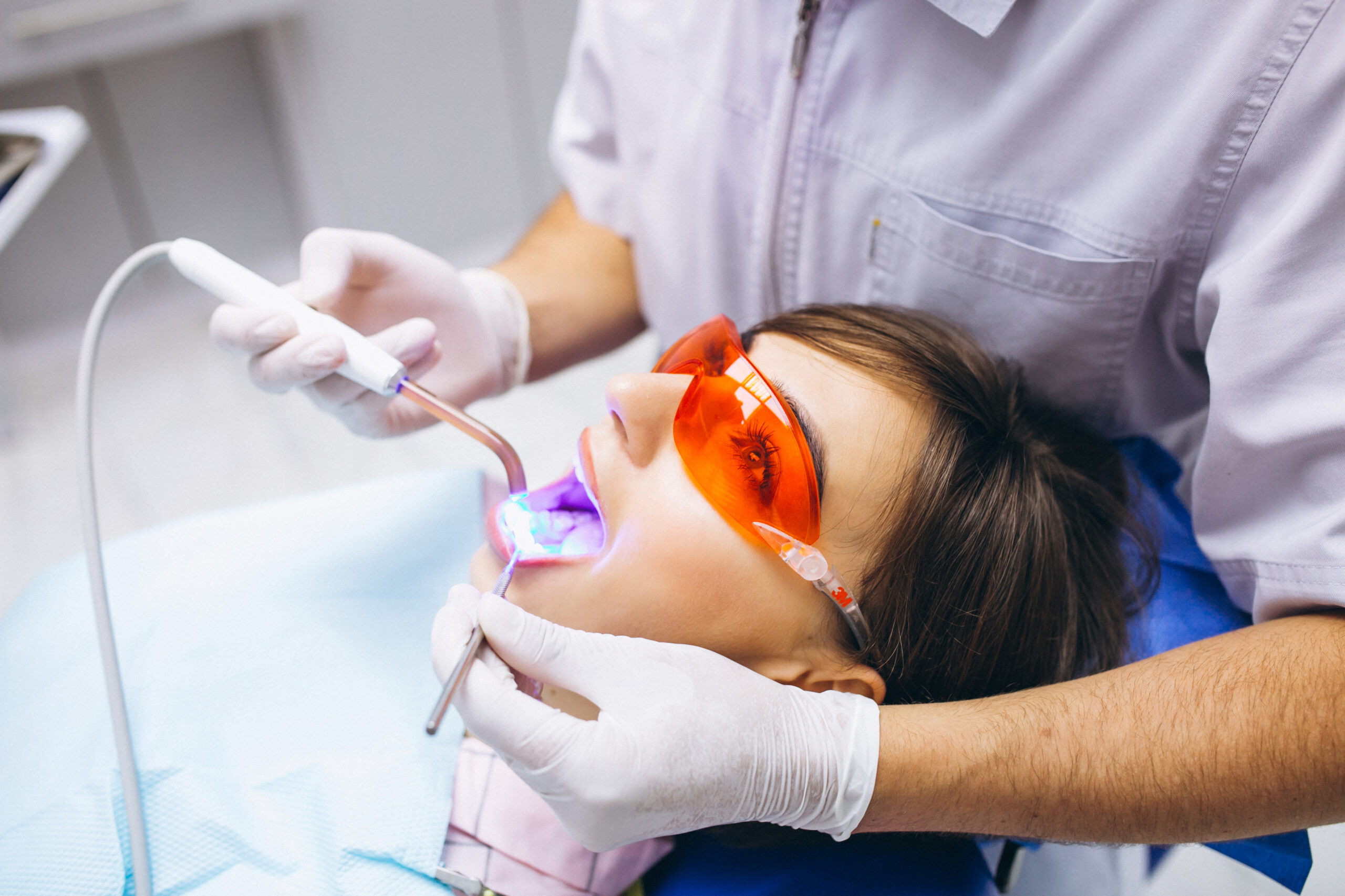
If you have periodontal disease, root planing and scaling may be done. This deep cleaning is done with anesthetic and specialized instruments. Sometimes lasers are used to help sterilize the pocket to help prevent reinfection.

Preventing Dental Abscesses
While you can’t always avoid a sudden, traumatic impact that causes a nerve to die, there are plenty of ways to prevent decay-related abscesses and periodontal disease.
- Visit your dentist for regular professional cleanings
- Brush and floss your teeth at least twice a day
- Replace your toothbrush every three months
- Never share your toothbrush with anyone
- Watch your sugar and carbohydrate intake
- Use a fluoridated mouth rinse before bed
With a little care, you can help prevent dental abscesses and periodontal disease before they develop, saving yourself the inconvenience and pain of a toothache and the expense of major treatment. At North Tabor Dental, Dental Abscesses are diagnosed promptly and treated with advanced care to eliminate infection, relieve pain, and protect your overall oral health.Dental abscesses are painful infections that occur when bacteria build up inside a tooth, the gums, or the surrounding bone. They are usually caused by untreated cavities, gum disease, or tooth injuries that allow bacteria to enter and spread. A dental abscess can lead to symptoms such as severe toothache, swelling, redness, fever, bad taste in the mouth, or facial swelling. Prompt dental treatment is essential to drain the infection, relieve pain, and prevent the infection from spreading to other parts of the body.